Compare Credit Cards

    Compare Credit Cards in UAE

    Head-to-head comparisons of the UAE's most popular credit cards. See which card wins for your lifestyle.
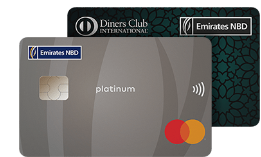
    Emirates NBD Duo
    ADCB 365
    VS
    Emirates NBD Duo

    ADCB

    ADCB 365

    Emirates NBD

    Emirates NBD Duo

    Emirates NBD Duo wins for families and heavy bill payers with its unbeatable 2% cashback on utilities and school fees. ADCB 365 is better for simplicity seekers who want hassle-free 1% on everything.

    View Comparison
    FAB Cashback
    FAB Cashback
    VS
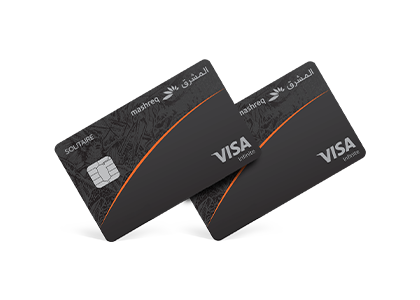
    Mashreq Solitaire

    First Abu Dhabi Bank

    FAB Cashback

    Mashreq Bank

    Mashreq Solitaire

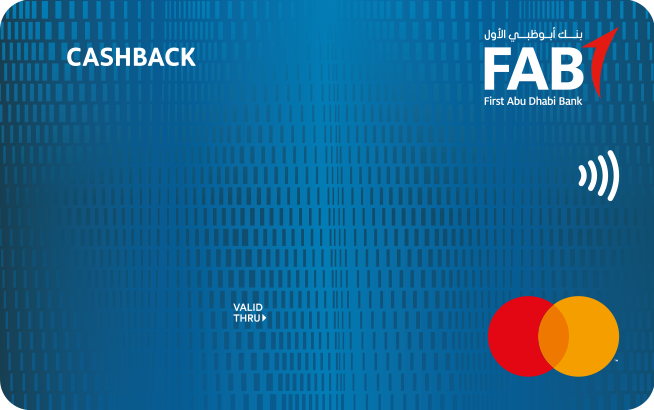
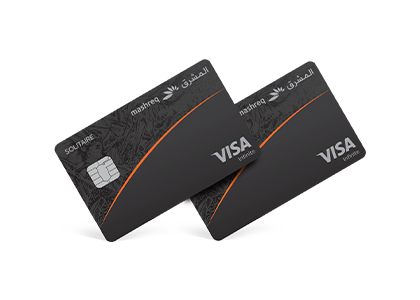
    FAB Cashback wins for grocery-heavy households with its unbeatable 5% cashback at Carrefour and 2% at other supermarkets. Mashreq Solitaire is the better choice if you spend more on fuel and dining out, with higher rewards in those categories. Both cards are free for life, making them excellent no-risk options.

    View Comparison
    DIB Prime
    DIB Prime
    VS
    RAKBANK Titanium

    Dubai Islamic Bank

    DIB Prime

    RAKBANK

    RAKBANK Titanium

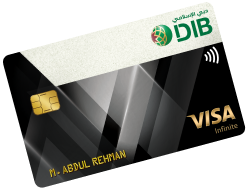
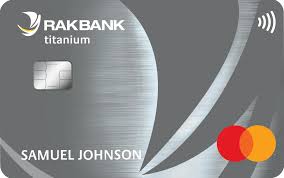
    DIB Prime edges ahead for budget-conscious UAE residents seeking Shariah-compliant banking with its competitive 5% cashback on select categories and strong Islamic credentials. RAKBANK Titanium offers better grocery and fuel rewards for those who prefer conventional banking. Both are excellent entry-level cards with the lowest salary requirement in the market.

    View Comparison
    Skywards Infinite
    Skywards Infinite
    VS
    TouchPoints Infinite

    Emirates NBD

    Skywards Infinite

    ADCB

    TouchPoints Infinite

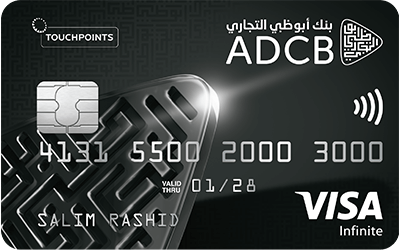
    Emirates NBD Skywards Infinite wins for dedicated Emirates flyers who value Silver status, direct mile earning, and the Emirates ecosystem. ADCB TouchPoints Infinite is better for travelers who want flexibility—redeem points for any airline, hotel, or cashback. If you fly Emirates 3+ times yearly, Skywards is worth it. For flexible travelers, TouchPoints offers superior value.

    View Comparison
    CBD Titanium
    CBD Titanium
    VS
    CBD Smiles

    Commercial Bank of Dubai

    CBD Titanium

    Commercial Bank of Dubai

    CBD Smiles

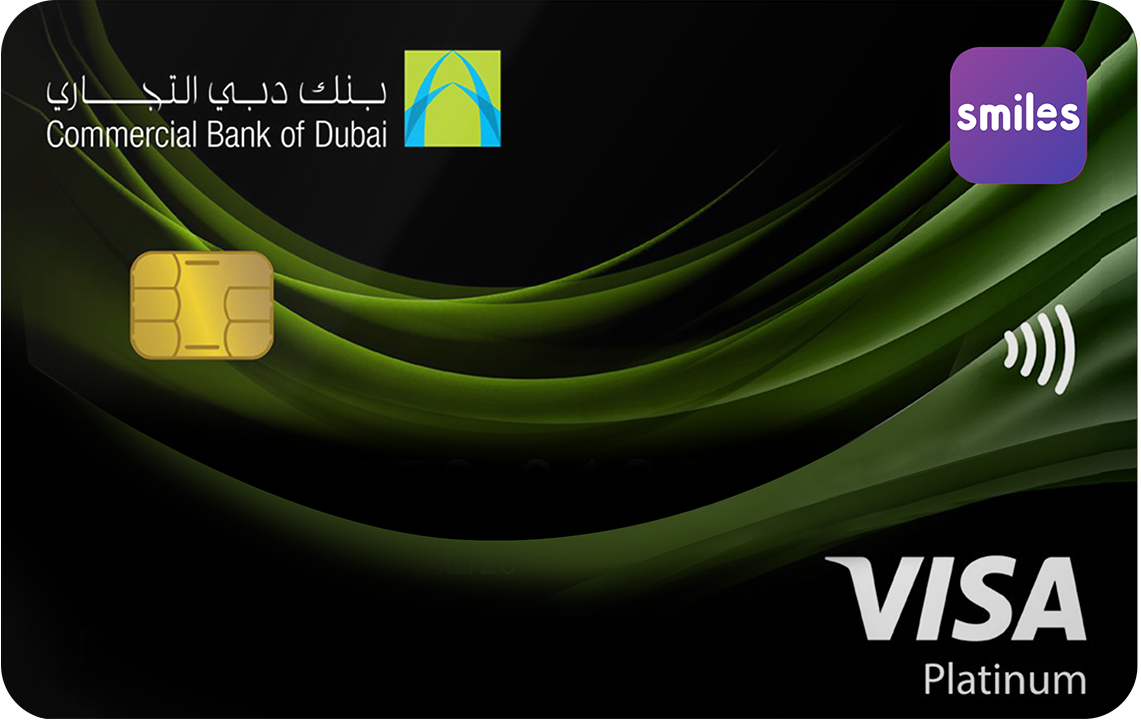
    CBD Titanium wins for most new expats with its straightforward cashback and zero annual fee. CBD Smiles is only better if you're an active Etisalat user who redeems Smiles points for du/Etisalat bills or lifestyle vouchers. Both cards require just AED 5,000 salary—perfect for fresh graduates and new arrivals to the UAE.

    View Comparison
    Liv.
    Liv.
    VS
    Neo

    Emirates NBD

    Liv.

    Mashreq

    Neo

    Liv. edges ahead with superior lifestyle integrations, Goal accounts, and a more mature rewards ecosystem. Mashreq Neo excels at instant setup and zero forex fees for travelers.

    View Comparison
    Etihad Guest Infinite
    Skywards Infinite
    VS
    Etihad Guest Infinite

    Emirates NBD

    Skywards Infinite

    First Abu Dhabi Bank

    Etihad Guest Infinite

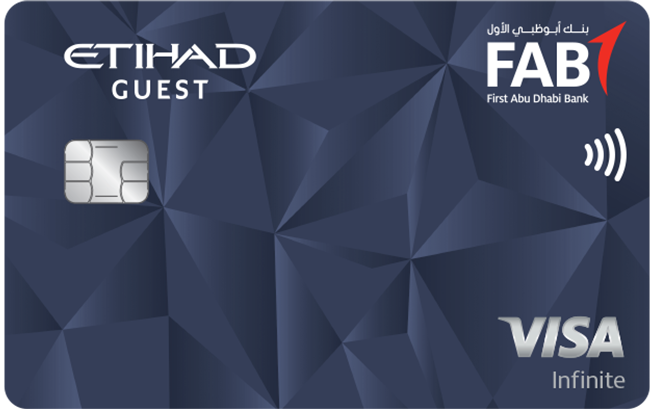
    FAB Etihad Guest Infinite wins on pure value: higher earn rates (29-200% more across categories), larger welcome bonus (110k vs 100k), free first year, and the game-changing 75% discount voucher for high spenders. Emirates NBD Skywards Infinite wins on convenience with instant Silver status, Emirates lounge access, and 3-year miles validity. For Emirates-loyal flyers who value status perks, Skywards is worth it. For everyone else seeking maximum return on spend, FAB delivers superior value.

    View Comparison
    noon Credit Card
    noon One Visa
    VS
    noon Credit Card

    Emirates NBD

    noon One Visa

    Mashreq Bank

    noon Credit Card

    Mashreq noon wins for heavy noon.com marketplace shoppers with its uncapped 5% cashback on all noon platforms. ENBD noon One wins for food delivery addicts with 20% back on noon Food and 10% on NowNow. Both are free for life with AED 5,000 salary—the real winner depends on whether you order food or shop electronics more on noon.

    View Comparison
    ADIB Cashback Visa
    ADCB 365
    VS
    ADIB Cashback Visa

    ADCB

    ADCB 365

    Abu Dhabi Islamic Bank

    ADIB Cashback Visa

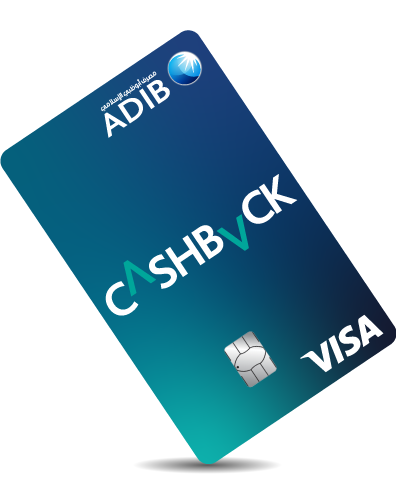
    ADCB 365 wins for pure grocery savings with 5% vs 4%, and is free for life. ADIB Cashback Visa wins for versatility—4% across six categories (groceries, fuel, dining, education, utilities, automobile) with Shariah compliance and no minimum salary. If groceries dominate your spend, ADCB. If you want broad 4% coverage and Islamic banking, ADIB is the better all-rounder.

    View Comparison
    SIB Cashback Titanium
    SIB Cashback Titanium
    VS
    Wio Credit Card

    Sharjah Islamic Bank

    SIB Cashback Titanium

    Wio Bank

    Wio Credit Card

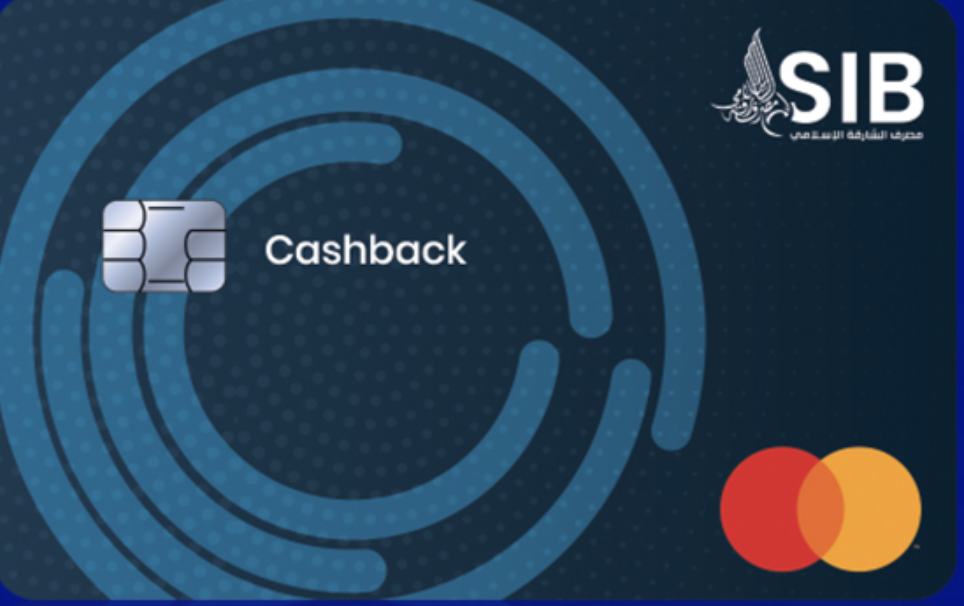
    SIB Cashback Titanium wins for online shoppers with its extraordinary 10% cashback on digital wallet and online purchases, plus airport lounge access and Shariah compliance. Wio Credit wins for simplicity and international use with flat 2% on everything, zero FX fees, and a superior digital experience. SIB is the specialist; Wio is the all-rounder.

    View Comparison
    ADCB Traveller
    Citi Ultima
    VS
    ADCB Traveller

    Citibank

    Citi Ultima

    ADCB

    ADCB Traveller

    ADCB Traveller delivers significantly better value for most UAE travelers with 0% foreign transaction fees, Priority Pass lounge access, and strong travel earn rates—all for just AED 500/year. Citi Ultima is the premium play for ultra-high earners who fly Emirates exclusively, offering Skywards Silver status, unlimited global lounges, and a metal card. Unless you earn AED 36K+ and are locked into the Emirates ecosystem, ADCB Traveller wins.

    View Comparison
    Dubai First Cashback
    ADCB 365
    VS
    Dubai First Cashback

    ADCB

    ADCB 365

    Dubai First

    Dubai First Cashback

    Dubai First Cashback wins for online shoppers and travelers with 5% on both online and supermarket purchases plus unlimited airport lounge access—a rare combo at this price. ADCB 365 wins for pure grocery + utility maximizers who want zero annual fees. If you shop online heavily or travel frequently, Dubai First delivers more total value despite the AED 300 fee.

    View Comparison

    How to Compare Credit Cards in UAE

    When you compare credit cards in UAE, the most important factors to weigh are annual fees (ranging from AED 0 to AED 3,000+), cashback and rewards rates, minimum salary requirements, lounge access benefits, and whether salary transfer is needed. The Central Bank of the UAE (CBUAE) requires all licensed banks to disclose fees and charges transparently, making it easier for residents in Dubai, Abu Dhabi, and Sharjah to compare offers on a level playing field. Use our free side-by-side tool above to see exactly how cards stack up across the criteria that matter most to you. For a deeper guide, see our step-by-step guide to choosing a credit card in UAE.

    What Makes a Good Credit Card Comparison?

    A meaningful comparison goes beyond headline rates. In the UAE market, you should consider whether a card requires salary transfer or accepts bank statements as proof of income, whether you need a Shariah-compliant (Islamic) or conventional card, and how holding multiple cards affects your Debt Burden Ratio (DBR) — which the CBUAE caps at 50% of monthly income. Each credit card application is recorded by the Al Etihad Credit Bureau (AECB), so comparing thoroughly before applying protects your credit score. Browse our full catalogue of UAE credit cards to explore every option.

    UAE Regulatory Context for Credit Card Comparisons

    All credit cards in the UAE are regulated by the Central Bank of the UAE (CBUAE), which sets uniform rules on fee disclosure, interest rate caps, and consumer protection across all seven emirates — Dubai, Abu Dhabi, Sharjah, Ajman, Ras Al Khaimah, Fujairah, and Umm Al Quwain. Banks verify income through the Wage Protection System (WPS) and assess creditworthiness via your AECB credit report (score range 300–900, with 700+ recommended for premium cards). A valid Emirates ID is required for all applications. The DBR cap of 50% means your total monthly debt payments — including existing cards, loans, and any new card — cannot exceed half your gross salary. These rules apply equally whether you bank with a conventional or Islamic institution.

    Frequently Asked Questions

    How do I compare credit cards in UAE?
    To compare credit cards in UAE, look at these key factors: annual fees (some cards are free, others charge up to AED 3,000), cashback or rewards rates, minimum salary requirements, and additional benefits like lounge access or travel insurance. The CBUAE requires all banks to disclose fees transparently, making side-by-side comparison straightforward. Your AECB credit score (300–900) also affects which cards you qualify for, so it's worth checking before you apply. Our comparison tool shows you all these details side-by-side so you can easily see which card offers the best value for your needs.
    What should I look for when comparing UAE credit cards?
    Focus on: (1) Annual fee vs benefits received, (2) Rewards rate on your highest spending categories like groceries, dining, or fuel, (3) Minimum salary requirement to ensure eligibility, (4) Welcome bonuses for new cardholders, and (5) Additional perks like airport lounge access, travel insurance, or valet parking. Also consider the Debt Burden Ratio (DBR) cap of 50% set by the CBUAE — your total monthly debt payments across all cards and loans cannot exceed half your gross salary. A valid Emirates ID is required for every application, and you should check whether salary transfer is needed or if bank statements are accepted. The best card depends on your personal spending habits.
    Which UAE credit card has the best cashback?
    The best cashback depends on where you spend most. For groceries, the Mashreq Cashback card offers 5% back. For dining, ADCB Cashback gives up to 15% at partner restaurants. For fuel, RAKBANK Cashback provides 10% back. These cashback rates apply equally across Dubai, Abu Dhabi, and Sharjah branches — CBUAE regulations ensure uniform terms nationwide. Use our comparisons above to find the card that maximizes rewards for your specific spending pattern.
    Can I have multiple credit cards in UAE?
    Yes, you can hold multiple credit cards in UAE. Many people use 2-3 cards strategically: one for groceries and dining (high cashback), one for travel (airline miles), and one with no annual fee as a backup. The AECB tracks all credit cards across every UAE bank, and each application is recorded on your credit report. The CBUAE enforces a Debt Burden Ratio (DBR) cap of 50% across all issuers, so your combined monthly repayments cannot exceed half your income. Plan your applications carefully to protect your credit score.
    Do I need salary transfer to get a credit card in UAE?
    Not always. Many UAE banks offer credit cards without requiring salary transfer — you can provide recent bank statements (typically 3–6 months) showing regular salary credits as an alternative. Banks verify income through the Wage Protection System (WPS) records. Options include cards from HSBC, Citibank, Emirates NBD, and FAB. A valid Emirates ID and residence visa are required regardless. If you prefer flexibility, explore our list of the best credit cards with no salary transfer requirement.
    How does my AECB credit score affect credit card comparison?
    Your Al Etihad Credit Bureau (AECB) score ranges from 300 to 900 and directly affects which credit cards you can qualify for. A score of 700 or above is considered good and opens the door to premium cards with higher limits and better rewards. Below 650, your options narrow to entry-level or secured cards. Every credit card application creates a hard inquiry on your report, so comparing cards thoroughly before applying is important. You can check your AECB score via aecb.gov.ae or partner bank apps — one free report is available per year.
    Are credit card comparison tools free in UAE?
    Yes, CreditMatch UAE is completely free to use — no sign-up, no hidden fees, and no personal data required to browse comparisons. Our tool covers cards from all 27+ UAE banks and is updated monthly with the latest rates, fees, and benefits. We earn a referral fee if you apply through our links, but this never affects our rankings or recommendations. You can compare as many cards as you like before deciding which to apply for.

    Can't Find Your Comparison?

    Take our personalized quiz to find the best credit card for your specific needs.

    Take the Quiz

    Advertiser Disclosure: We may earn a commission from partner links. Learn more