Best Credit Cards in UAE 2026
Finding the right credit card in UAE can be overwhelming with 190+ options across 25 banks. This guide cuts through the noise with our expert-curated picks.
Whether you want maximum cashback on groceries and dining, travel miles with lounge access, or a free for life card with no annual fees—we've analyzed every card to help you choose.
Why Trust This Guide?
We compare cards based on real value—not marketing claims. Our picks consider cashback rates, salary requirements, annual fees, and practical benefits. We update monthly as banks launch new offers.
How We Evaluate Credit Cards
Our editorial team manually reviews all 190+ credit cards issued by 25+ UAE-licensed banks. Every card is scored across four dimensions: rewards rate relative to real-world spending patterns, annual fee versus fee-waiver thresholds, minimum salary accessibility, and the tangible value of bundled benefits like lounge access, insurance, and lifestyle offers.
We don't rank cards based on marketing materials or promotional claims. Instead, we calculate the net annual value of each card — total rewards earned minus all fees — for realistic spending profiles at different salary levels. A card advertising "10% cashback" earns a lower ranking if most people never hit the required monthly spend to unlock it.
Rankings are updated monthly whenever banks change offers, adjust fee structures, or launch new products. We also factor in real user feedback and approval-rate data to ensure our recommendations are practically obtainable, not just theoretically optimal.
Editorial independence: Our card rankings are never influenced by commercial partnerships. We may earn a referral fee when you apply through our links, but this does not affect which cards we recommend or how we rank them. Read more about how we make money.
Our Top 3 Picks for July 2026
Hand-selected based on value, accessibility, and real-world performance.
Our picks for this month are being finalized.
Browse categories below to find the best card for you.
Not sure which card is right for you?
Answer a few questions about your salary and spending habits—we'll match you with the best cards automatically.
Take the 2-Minute QuizBrowse by Category
Find cards optimized for your priorities.
UAE Credit Card Market in 2026
More than 25 banks licensed by the UAE Central Bank (CBUAE) currently issue credit cards, offering over 200 active products to UAE residents. The market spans conventional and Islamic banking — Sharia-compliant cards are available from dedicated Islamic banks like Dubai Islamic Bank (DIB), Emirates Islamic (EI), and Abu Dhabi Islamic Bank (ADIB), as well as through Islamic windows operated by conventional banks.
Key regulatory terms every applicant should understand: the Debt Burden Ratio (DBR) is capped at 50% of salary, meaning your total monthly credit obligations cannot exceed half your income. An Emirates ID is mandatory for all applications, and your Al Etihad Credit Bureau (AECB) score directly affects approval chances and credit limits. Income verification happens through the Wage Protection System (WPS) or bank statements.
Salary ranges vary significantly across the UAE's major hubs — Dubai, Abu Dhabi, and Sharjah — which affects card eligibility. Islamic banking represents roughly 25% of UAE banking assets, making Sharia-compliant credit products a mainstream option rather than a niche category. The market increasingly caters to entrepreneurs and freelancers as well — if you're setting up a company in the UAE, your choice of free zone and visa type will affect which banks and cards are available to you.
Best Cashback Cards
See allBest Travel Cards
See all
Best Free Cards
See all

Best Cards by Salary
Find cards you actually qualify for based on your income.
AED 5,000 – 10,000 Salary
AED 10,000 – 25,000 Salary
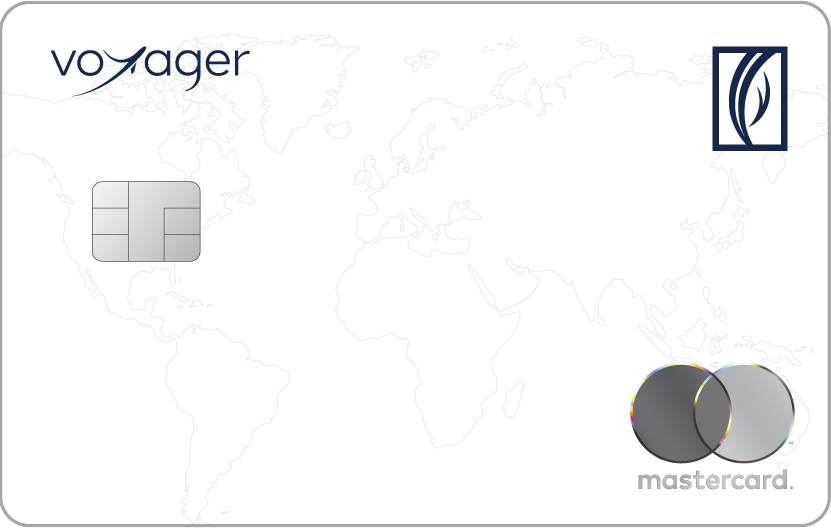

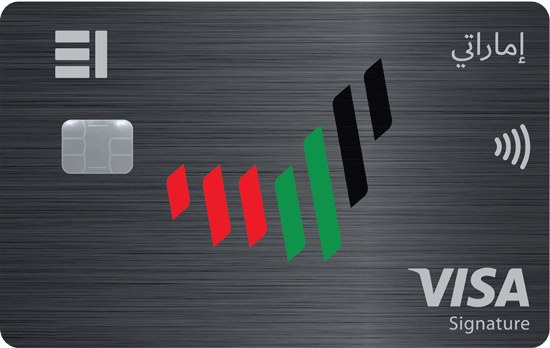
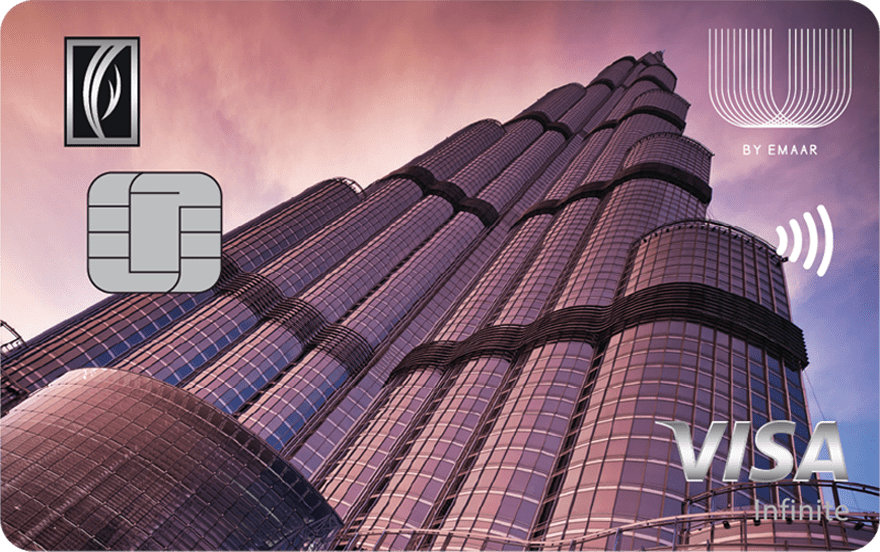
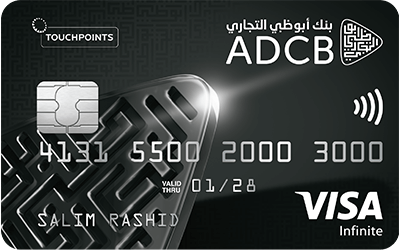
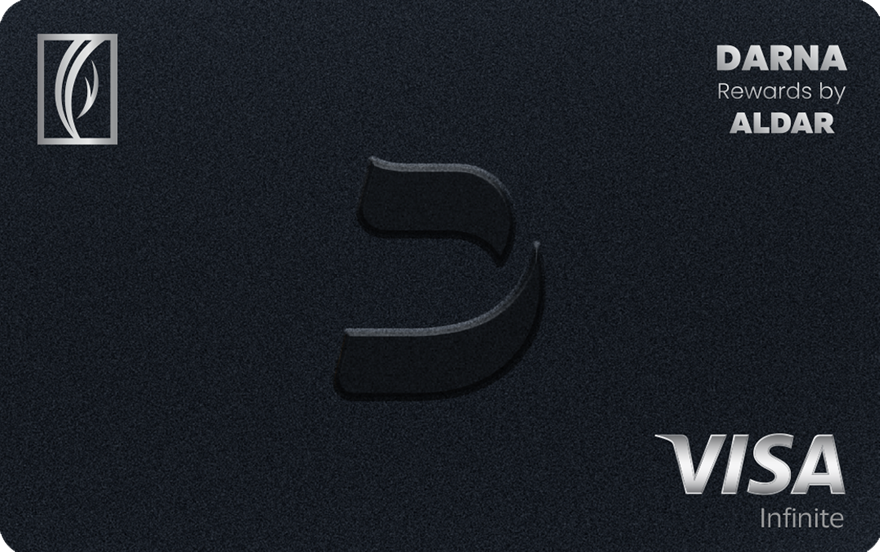
Not sure what you qualify for? Our quiz filters by your exact salary.
Best Card from Each Bank
Already have a bank in mind? Here's our top pick from each major UAE bank.
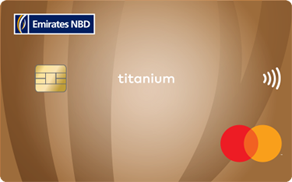
Emirates NBD
Emirates NBD - Titanium Credit Card
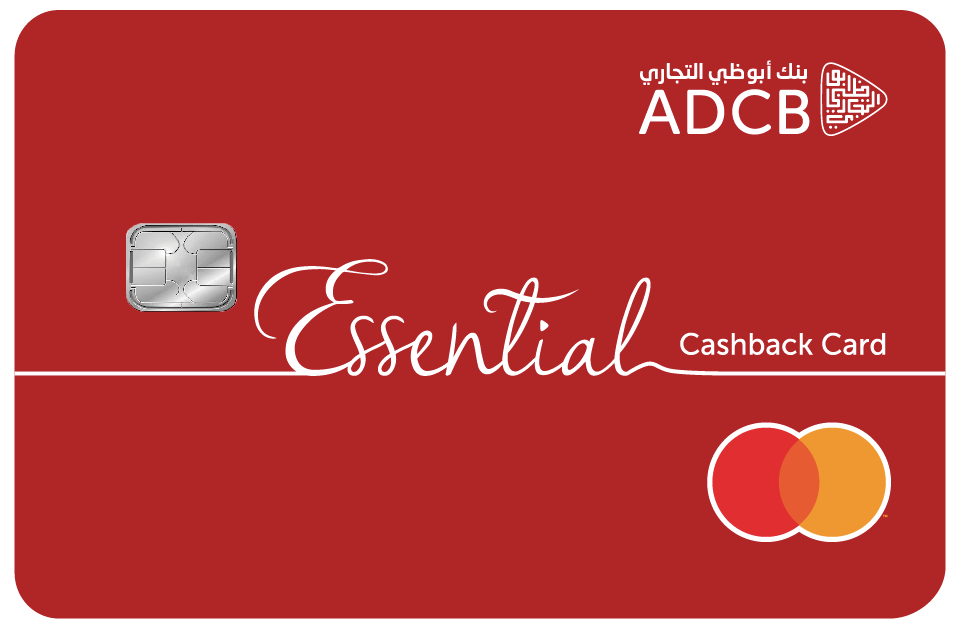
ADCB
ADCB Essential Cashback Credit Card
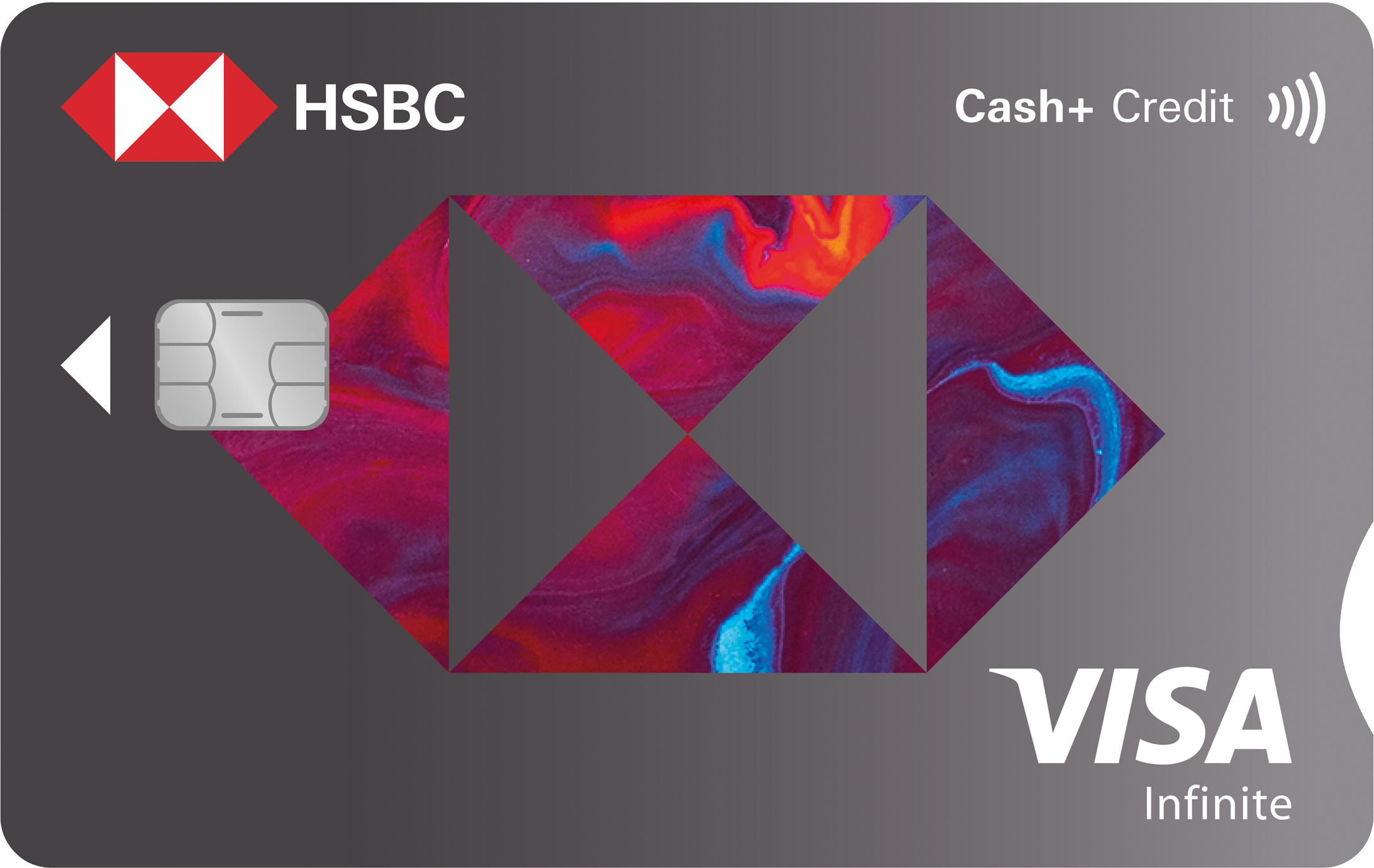
HSBC
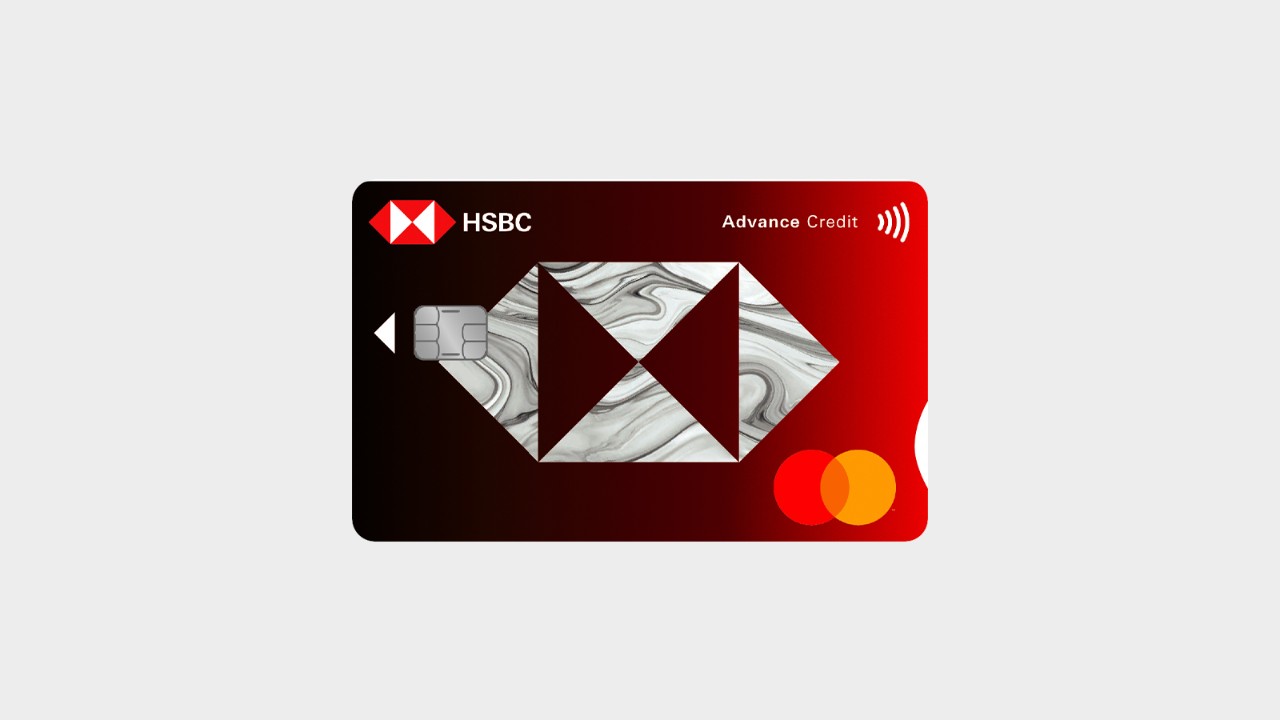
HSBC - Cash+ Credit Card

United Arab Bank
United Arab Bank - UAB World Mastercard Credit Card
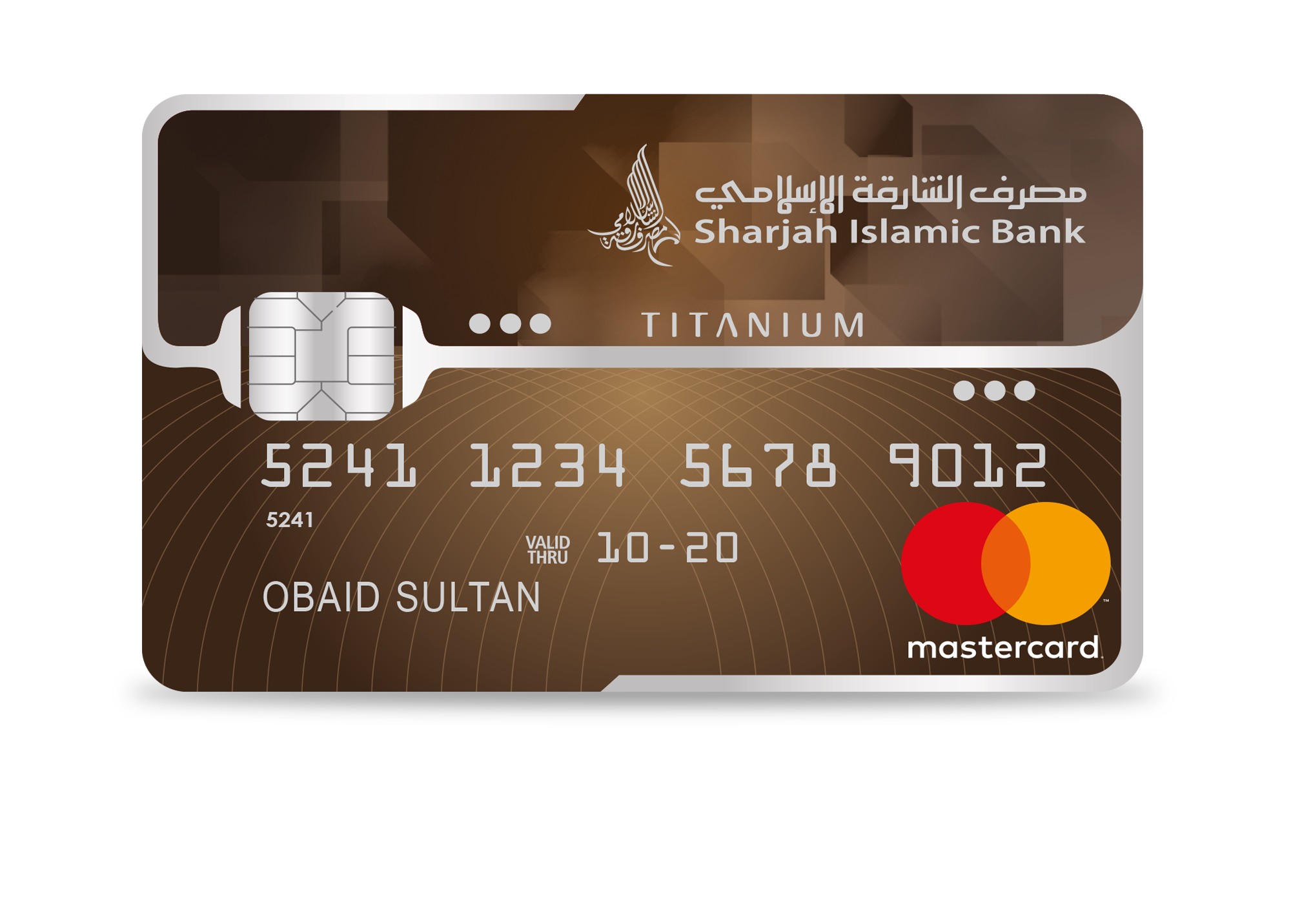
Sharjah Islamic Bank
SIB - 'Smiles' Titanium Credit Card
RAKIslamic
RAKIslamic Platinum Credit Card
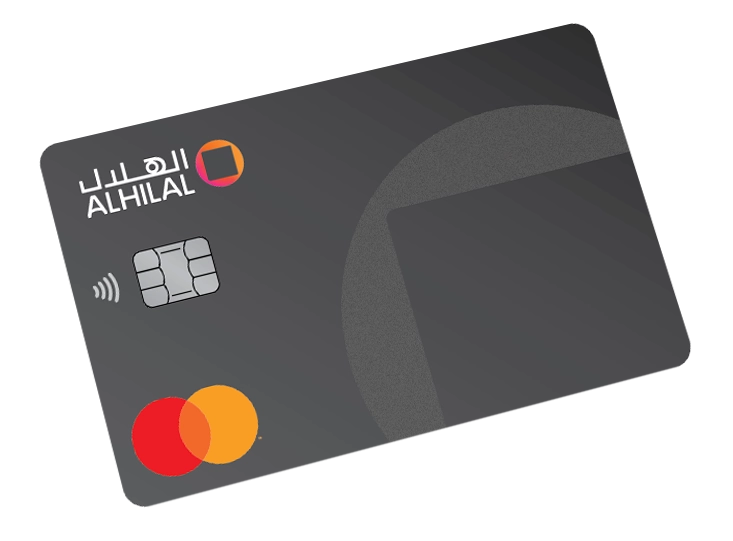
Al Hilal Bank
Al Hilal Bank - Cashback Credit Card
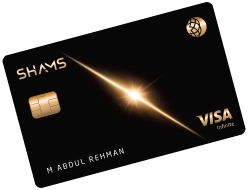
Dubai Islamic Bank
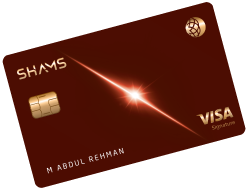
Dubai Islamic Bank - DIB SHAMS Infinite Covered Card
How to Choose the Right Credit Card in UAE
Match Rewards to Your Spending
The single biggest factor in choosing a credit card is aligning its rewards structure with where you actually spend money. A card offering 10% cashback on groceries delivers zero value if you eat out every night, just as a miles card is wasted on someone who flies once a year.
If your biggest monthly expenses are groceries, utilities, and dining, a category-based cashback card like the ADCB 365 (6% dining, 5% groceries) or the FAB Cashback Card delivers the highest return. Frequent flyers should focus on travel cards that earn Emirates Skywards miles or Etihad Guest miles — converting everyday spending into free flights and upgrades.
If your spending is spread evenly across categories, a flat-rate cashback card like the Mashreq Solitaire (1% on everything) is simpler and often more rewarding than trying to optimize multiple category bonuses. The key principle: don't chase the highest advertised rate — match the card to your actual spending pattern.
Check Your Eligibility First
UAE credit cards are segmented into clear salary tiers. Entry-level cards require a minimum salary of AED 5,000, mid-tier cards start at AED 10,000, premium cards at AED 15,000+, and ultra-premium products like metal cards typically require AED 25,000+. Applying for a card above your salary band results in automatic rejection — and unnecessary AECB credit inquiries.
Some banks require you to transfer your salary to their account as a condition of card issuance. If you prefer to keep your salary with your current bank, filter for no-salary-transfer cards — many excellent options exist across all tiers.
Your AECB credit score matters: most cards require a score of 680+, while premium products look for 700+. The Debt Burden Ratio (DBR) cap means your total monthly repayments — including existing loans and card minimums — cannot exceed 50% of your salary. Take our quiz to automatically filter cards by your eligibility profile.
Compare the True Cost
A credit card's value isn't just what you earn — it's what you earn minus what you pay. The annual fee is the most visible cost, ranging from AED 0 (free for life) to AED 3,000+ for premium metal cards. Many cards waive the annual fee if you meet a minimum annual spend, typically AED 100,000 to AED 150,000 — worth calculating whether you'll naturally hit that threshold.
Interest rates only matter if you carry a balance. UAE credit card rates typically run around 3.5% per month (roughly 42% APR) — making it critical to pay your statement in full. Foreign transaction fees range from 0% to 3.5% and are a hidden cost for anyone who shops online from international retailers or travels frequently.
Don't overlook supplementary card fees (AED 0 to AED 500 per card), late payment penalties, and over-limit charges. The true net value of a card equals total rewards earned minus all fees paid. Use our side-by-side comparison tool to evaluate cards on total cost, not just headline rewards.
Shortcut: Our free quiz asks these questions and matches you automatically.
UAE Banking Context
The CBUAE (Central Bank of the UAE) regulates all credit card issuers and mandates transparent disclosure of fees, interest rates, and charges. Dubai and Abu Dhabi serve as the two primary banking hubs, but credit cards are available to residents across all seven emirates — Sharjah, Ajman, Umm Al Quwain, Ras Al Khaimah, and Fujairah included.
Salary ranges differ meaningfully by location and sector. Dubai's median expat salary sits around AED 15,000, while Abu Dhabi salaries are often higher due to oil-sector and government employment. These differences directly affect which card tiers are accessible to applicants in each emirate.
Application requirements are standardized: a valid UAE residence visa, Emirates ID, and income proof via the Wage Protection System (WPS) or recent bank statements. Every application triggers an AECB (Al Etihad Credit Bureau) score check — applicants can review their own score through the AECB app or website before applying. The DBR (Debt Burden Ratio) cap of 50% applies uniformly across all banks, limiting total monthly credit obligations relative to salary.
Frequently Asked Questions
Best Credit Cards by Bank
In-depth guides for every major UAE bank — curated picks, comparisons, and tips.

Best ADCB Cards
5 curated picks

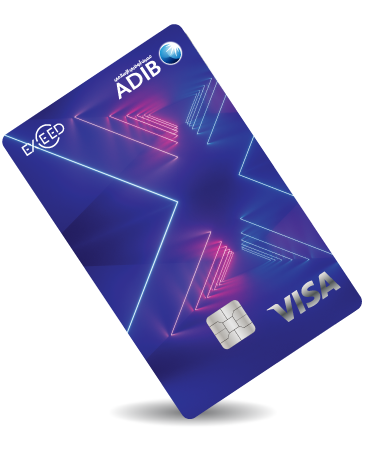
Best Abu Dhabi Islamic Bank Cards
5 curated picks

Best American Express Cards
5 curated picks

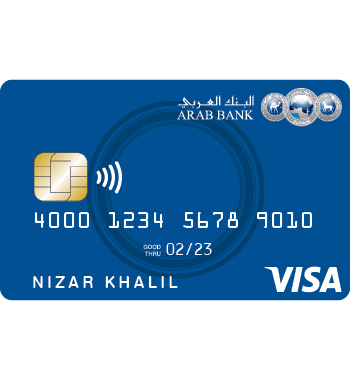
Best Arab Bank Cards
5 curated picks

Best Commercial Bank of Dubai Cards
4 curated picks
Best Citibank Cards
5 curated picks

Best Dubai Islamic Bank Cards
5 curated picks

Best Emirates Islamic Cards
5 curated picks

Best Emirates NBD Cards
5 curated picks

Best First Abu Dhabi Bank Cards
5 curated picks

Best HSBC Cards
5 curated picks

Best Liv Cards
2 curated picks

Best Mashreq Bank Cards
4 curated picks

Best RAKBANK Cards
5 curated picks

Best Standard Chartered Bank Cards
5 curated picks
Explore More Card Categories
Find the best credit cards for your needs:
Cards by Salary
Browse Cards by Bank
Guides
Find Your Perfect Card
Take our quick quiz and get personalized credit card recommendations based on your unique profile.
Start the QuizAdvertiser Disclosure: We may earn a commission from partner links. Learn more